Patients hear from you on the app they already use.
Booking confirmations, changes, cancellations, payment links and receipts on WhatsApp, plus a summary for the doctor before each session.
Explore the story
Available in Medrella today.
What you get.
Each item below is part of Medrella today.

- 01
Booking confirmation with token and reporting time
- 02
Reschedule and cancellation messages
- 03
Session summary for the doctor, with SMS fallback
- 04
Payment links and receipts
- 05
Portal sign-up and password-reset codes
- 06
Message log for the clinic
The messages patients actually need
Patients receive a WhatsApp message when an appointment is booked, with the token or time and the reporting time. They hear again if the appointment is rescheduled or cancelled, whether by the clinic or by themselves.

For the doctor, and for the clinic
Before each session the doctor gets a WhatsApp summary of the patients booked, with an SMS if WhatsApp fails. Payment links, payment receipts and the sign-up and password-reset codes for the patient portal go out on WhatsApp too.
The clinic can see the messages that were sent in its message log.
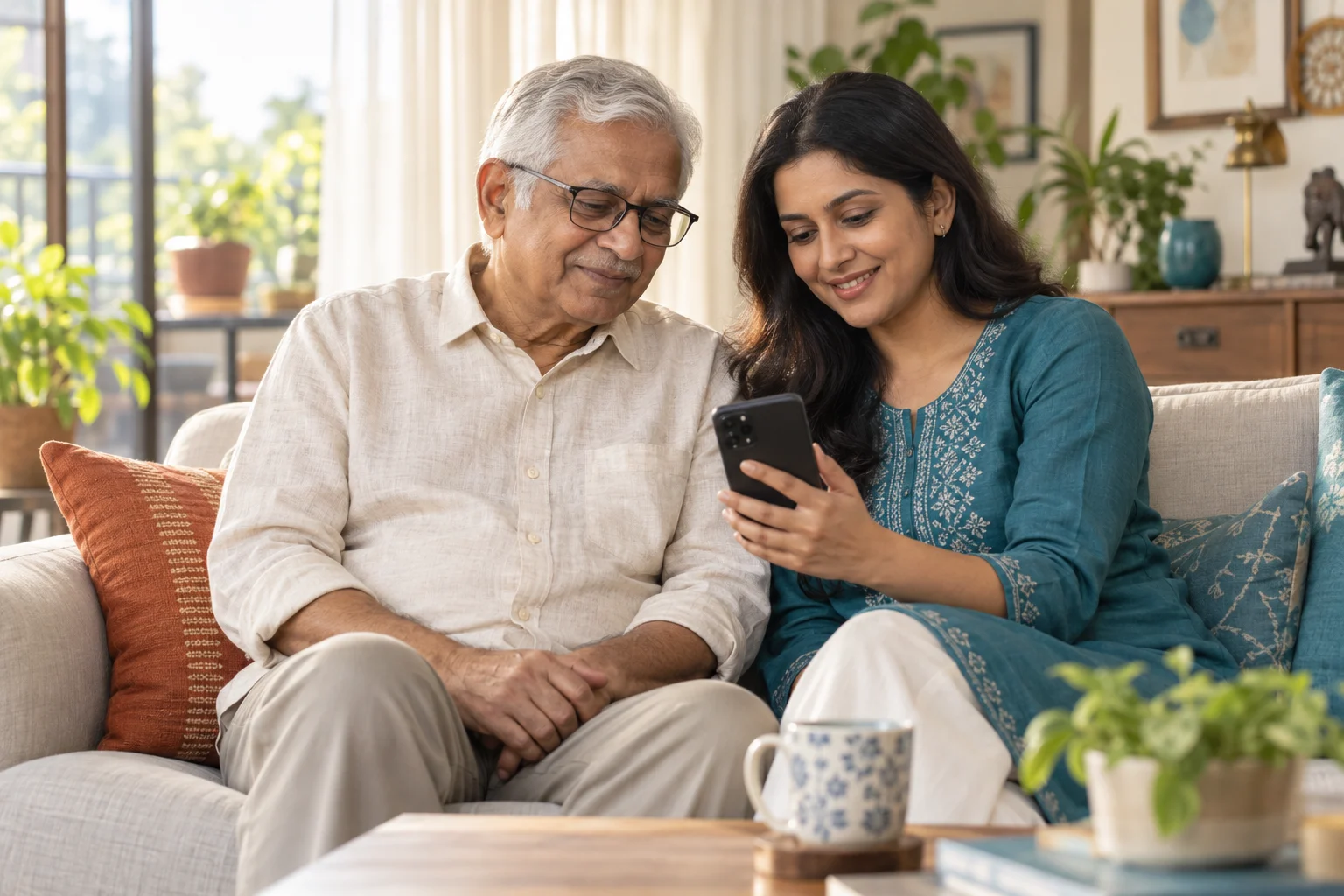
Patients stay in control
WhatsApp messages are on by default and a patient can ask the clinic to turn them off. That choice is recorded against the patient like any other consent, and messages stop.
Messages are sent from approved WhatsApp templates, so the wording stays consistent and clear.

Related pages.


What would more time
for care make possible?
Let's explore it together